Diabetic ketoacidosis, known as DKA, is a life-threatening diabetes complication. It is caused by a severe lack of insulin. Without insulin your body can’t move sugar into the cells for energy so instead breaks down fat releasing harmful chemicals called ketones which build up and make your blood acidic.
A large build-up of ketones can lead to you becoming seriously ill very quickly. And for some people including children, DKA may have developed before diabetes is diagnosed, especially if it’s type 1 diabetes.
DKA is more likely to happen to someone with type 1 diabetes, someone with any type who uses insulin, and people taking SGLT2 inhibitors, but can happen to other people on tablets or without a diagnosis too. Although DKA sometimes affects people with type 2 diabetes or other types of diabetes, they may develop Hyperosmolar Hyperglycaemic State (HHS) instead.
It is important to be able to spot the signs and symptoms of DKA so that it can be treated quickly.
On this page we cover:
- What causes DKA?
- What are the signs and symptoms of DKA?
- Is there any screening for DKA?
- Checking ketones and blood sugar
- What is the treatment for DKA?
- What can you do to avoid DKA?
What causes DKA?
For some people, including some children, becoming suddenly very ill with DKA can be what leads them to finding out they have type 1 diabetes in the first place.
If you have already been diagnosed with diabetes, the causes of DKA can include:
- being ill, for example with a chest infection, flu, or Urinary Tract Infection (UTI)
- high blood sugar levels caused by a growth spurt or puberty
- not taking your insulin or missing doses
- your insulin pump not working properly or becoming accidentally dislodged
- surgery or an injury
- having a heart attack or stroke
- high blood sugar caused by having your period.
Sometimes, there isn’t always an obvious trigger for DKA which can be worrying and confusing. But if you suspect you or your child has DKA it is important to get medical help straight away.
What are the signs and symptoms of DKA?
DKA is diagnosed in hospital with a blood test. These are the signs and symptoms:
Test results that can indicate DKA are:
- high blood sugar levels – can only be confirmed by a finger prick check or a continuous glucose monitor
- high levels of ketones – a chemical - in your blood or urine, which can only be confirmed by a handheld ketone monitor or urine ketone test.
Symptoms of DKA can include:
- being very thirsty
- needing to wee more often
- feeling tired and sleepy
- confusion
- blurred vision
- stomach pain
- feeling or being sick
- sweet or fruity-smelling breath, like nail polish remover or pear drop sweets
- passing out.
These symptoms are sometimes referred to as a 'diabetic attack', but this can also refer to other things, such as hypoglycaemia. You might notice these signs developing over 24 hours but they can come on faster, especially in children or if you use an insulin pump. If you spot any of these symptoms it is a sign that you need to get some medical help quickly.
Share this information with friends, relatives or anyone who looks after children, like teachers and childminders. This is so that they will be able to spot the symptoms of DKA, too.
In this video, Kate tells us about when her son became seriously ill with DKA and was diagnosed with type 1 diabetes soon after.
{"preview_thumbnail":"/resources-s3/public/styles/video_embed_wysiwyg_preview/public/video_thumbnails/bzmUMxVIQVI.jpg?itok=8SehAQlk","video_url":"https://www.youtube.com/watch?v=bzmUMxVIQVI&t=1s","settings":{"responsive":1,"width":"854","height":"480","autoplay":0},"settings_summary":["Embedded Video (Responsive)."]}
In her video Kate mentions the 4Ts which are the four most common signs of type 1 diabetes. They are:
- Toilet - Going to the toilet a lot, bed wetting by a previously dry child or heavier nappies in babies.
- Thirsty - Being really thirsty and not being able to quench the thirst.
- Tired - Feeling more tired than usual.
- Thinner - Losing weight or looking thinner than usual.
Is there any screening for DKA?
No, there isn’t any screening for DKA because it’s a condition that develops very quickly not over a long time. It is something you will need to check for at home if you have type 1 diabetes or any other type of diabetes treated with insulin or other diabetes medication and you are unwell or have high blood sugar levels.
But there are research studies that are screening for type 1 diabetes risk. You can find out more and sign up for type 1 screening projects.
Checking ketones and blood sugar
Blood testing
If you have any signs of DKA, check your blood sugar straight away. If you do not have a diagnosis of diabetes or do not have testing equipment for checking blood sugars or ketones at home, but you have the signs and symptoms of DKA, you should get medical help straight away.
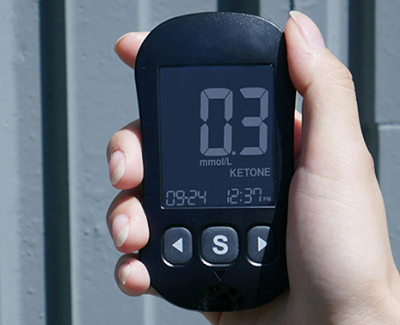
If your blood sugar is high (usually above 13), or you feel very unwell, check for ketones. You can check your blood or your urine for ketones. A blood test will show your ketone levels in real time, but a urine test will show what they were a few hours ago.
If you have type 1 diabetes you should get a blood ketone monitor for free from the NHS. If you have high ketone levels in your blood and suspect DKA, you should get medical help straight away. Find your nearest A&E.
If you think you should have a ketone meter but have not been given one, talk to your diabetes team about whether you should be ketone testing, and whether you should be given urine testing strips or a blood monitor.
If you have not been told when to test for ketones or what results need you to take action then you should discuss this with your diabetes team. If your ketone levels are above 3mmol you should always get medical help straight away.
“Jane had diabetes for about 20 plus years but no one mentioned the word ketone or that you can get a handheld ketone meter. I just can’t think of her dying like that and at that time, possibly unnecessarily.” Read Douglas’s story.
What is the treatment for DKA?
The early signs of DKA can often be treated with extra insulin and fluids if it is picked up quickly. But if it isn’t, DKA needs urgent hospital treatment and can be life-threatening.
Treatment of DKA includes:
- being given insulin through a vein
- being given fluids through a vein to rehydrate your body
- being given nutrients through a vein to replace any you've lost.
You'll also be closely monitored to make sure there are no serious problems with your brain, kidneys, heart or lungs.
You'll be able to leave hospital when you're well enough to eat and drink and tests show a safe level of ketones in your body.
What can you do to avoid DKA?
You can help avoid DKA by monitoring your blood sugar levels regularly and altering your insulin dose in response to your blood sugar levels and what you eat.
Your blood sugar levels could be higher than normal when you are unwell, putting you at risk of DKA. So, it’s a good idea to work with your healthcare team to come up with some sick day rules for when you are ill.
These usually include drinking more sugar free fluids, taking more insulin and checking your blood sugars more often than you usually would. The amount of extra insulin needed will vary from person to person. Your diabetes team will help you to work out the correct dose for you (or your child).
It’s still a good idea to contact your GP or diabetes team if:
- You feel fine but are getting higher than usual readings for blood glucose and ketones.
- You feel unwell but your blood glucose and ketones are only slightly higher than normal.
- You are being sick a lot
"The experience of having DKA has taught me that it’s so important to listen to your body. No matter how many healthcare professionals you visit, whether they’re a GP or a diabetes specialist or a family friend who works in the field, you know your body and you know what feels right and what doesn’t feel right. When it comes to diabetes, it’s so important to trust your instincts."
Amber, 21, who had DKA
Getting support
If you are concerned about any aspect of managing diabetes, you can always call our helpline for support on 0345 123 2399. Alternatively, you can head over to our forum where there are many people willing to offer support and share their experiences of diabetes.