The three groups of insulin
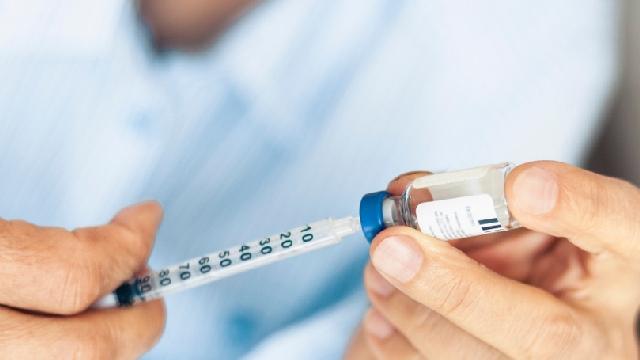
There are three groups of insulin – animal, human (not from humans but produced synthetically to match human insulin) and analogues (the insulin molecule is like a string of beads; scientists have managed to alter the position of some of these beads to create 'analogues' of insulin).
Nowadays, most people use human insulin and insulin analogues, although a small number of people still use animal insulin because they have some evidence that they otherwise lose their awareness of hypos, or they find animal insulin works better for them. There are seven main types of insulin:
- Rapid-acting analogues can be injected just before, with or after food and have a peak action at 0–3 hours. They tend to last 2–5 hours and only last long enough for the meal at which they are taken. They are clear in appearance.
- Long-acting analogues tend to be injected once a day to provide background insulin, lasting for approximately 24 hours. They don't need to be taken with food because they don't have a peak action. They are clear in appearance.
- Ultra long-acting analogues are mainly used by people who are unable to inject themselves as they can provide background insulin for up to 42 hours. They should be injected once at any time of the day, preferably at the same time. They don't need to be taken with food because they don't have a peak action. They are clear in appearance.
- Short-acting insulins should be injected 15–30 minutes before a meal to cover the rise in blood glucose levels that occurs after eating. They have a peak action of 2–6 hours and can last for up to eight hours. They are clear in appearance.
- Medium and long-acting insulins are taken once or twice a day to provide background insulin or in combination with short-acting insulins/rapid-acting analogues. Their peak activity is 4–12 hours and can last up to 30 hours. They are cloudy in appearance.
- Mixed insulin – a combination of medium and short-acting insulin.
- Mixed analogue – a combination of medium-acting insulin and rapid-acting analogue.
How should I inject?
- Make sure your hands and the area you're injecting are clean.
- Eject two units of insulin into the air to make sure the tip of the needle is filled with insulin (this is called an ‘air shot’).
- Choose an area where there is plenty of fatty tissue, such as the tops of your thighs or bottom.
- If you have been advised to, lift a fold of skin (making sure it's not squeezed so tightly that it hurts or turns the skin white) and insert the needle at a 90° angle. With short needles you don’t need to pinch up, unless you are very thin. Check with your diabetes healthcare team.
- Put the needle in quickly. If you continue to find injections painful, try numbing an area of skin by rubbing a piece of ice on the site for 15–20 seconds before injecting.
- Inject the insulin, making sure the plunger (syringe) or thumb button (pen) is fully pressed down and count to 10 before removing the needle.
- Release the skin fold (if you've used one) and dispose of the used needle safely.
Remember to use a new needle every time. Reusing a needle will make it blunt and can make injecting painful.
- Why do I need to rotate injection sites? If you keep injecting into the same area (and site) small lumps can build up under the skin. They don’t look or feel very nice and they make it harder for the body to absorb and use the insulin properly. So it’s important that you change the spot that you use each time.
- Will it hurt? The needles used are very small and you inject under the skin (subcutaneously) and not into a muscle or vein. At first, the injections may be a little uncomfortable – this is usually because you're understandably tense or anxious. But, as your confidence grows, they will get easier and you'll soon get used to them.
- Who will teach me? Someone from your diabetes healthcare team, usually the diabetes specialist nurse, will teach you how and when to inject and work with you to find the right insulin.
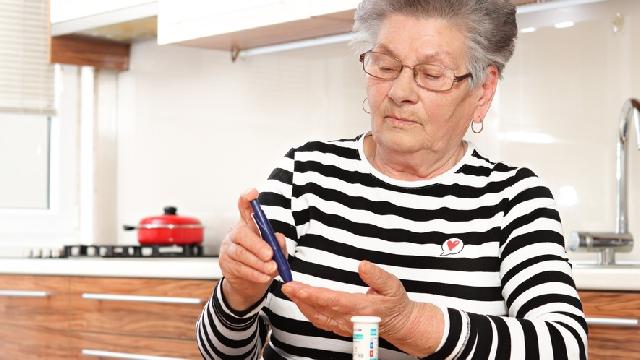
- What should I do with my needles and lancets when I have used them? Always dispose of them in a special sharps disposal bin – not in your normal rubbish bin. Sharps disposal bins and needle clippers are available for free on prescription and are designed to keep people safe from harm.
- What happens when my sharps disposal bin is full? Arrangements differ across the UK, so speak to your diabetes team to find out what you need to do.
Storing insulin
All insulin needs to be kept at temperatures lower than 25°C/77°F, ideally 2–6°C/36–43°F. Normal room temperatures are below 25°C, but they can be warmer in the summer, so any insulin you're not using should be stored in the fridge – throughout the year. Don’t put it in – or too close to – the freezer compartment, though, as the insulin may be damaged. Any insulin that has been out of the fridge for 28 days or more should be discarded. Some insulins have slightly different storage needs, so always read the patient information leaflet that comes with yours.
Disposing of needles and lancets
The needles used for injecting insulin need to be disposed of carefully, to avoid the risk of injury or infection. You can dispose of your needles, syringes and lancets in a sharps disposal box. A clipper, a device that enables you to safely snap off sharps from your syringes/pens, can also be useful as a method of storage. The clipper needs to be disposed of in a sharps disposal box when full in accordance with your local guidelines for clinical waste disposal.
Sharps disposal boxes and clippers are available on prescription (FP10 prescription form) in all four nations of the UK. There are different schemes and arrangements in place for the safe disposal of your sharps disposal box once it is full. Schemes vary from nation to nation and even down to the locality, and your local healthcare provider should have information about local disposal methods.
For more information, read our position statement on the safe disposal of sharps.