Page saved! You can go back to this later in your Diabetes and Me Close

Hamza's story: Living with diabetes and embracing the spirit of Ramadan

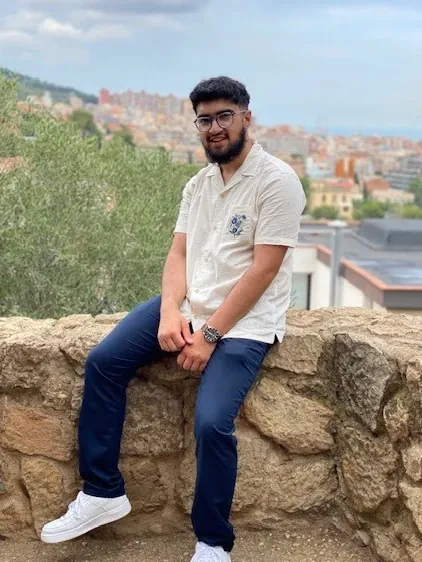
Hamza sitting on a wall

Hamza shares his experience of living with type 1 diabetes and how he still fully embraces the spirit of Ramadan with his family.  

Diagnosis

Diagnosis

I was diagnosed with type 1 diabetes six years ago, when I was just 11 years old. 

The diagnosis came unexpectedly one evening when my dad, who is a doctor, noticed that I was unusually thirsty and drinking far more water than normal. I didn’t think much of it at the time, but he decided to check my blood sugar, which turned out to be very high. 

We went straight to the hospital — it was around midnight, and everything happened very suddenly. By the following morning, I had been diagnosed and spent the next few days in hospital coming to terms with what this meant.

Life with diabetes

Managing my diabetes

Following my diagnosis I had a couple of weeks off school and was supported on my return with time at the end of lessons to administer my medication. 

At home, my parents carefully carb-counted my meals and regularly checked my blood sugar levels. I didn’t find the adjustment to this new routine too difficult at first, as I was mostly with family when I went out and had their guidance and support.

As I grew older and entered my teenage years, managing my diabetes became slightly more challenging, particularly when socialising with friends and not always knowing the carbohydrate content of certain foods. 

This meant learning what I could eat, asking questions about ingredients when necessary, and becoming more aware of how different foods affected how I felt and my blood sugar levels.

Ramadan and fasting

The month of Ramadan has always been a special time for my family and on occasion, I’ve attempted to fast however found this extremely challenging as my blood sugar levels would fluctuate significantly, becoming both too high and too low. This made fasting unsafe for me and often left me feeling unwell.  

I’ve therefore come to accept that fasting is not an option for me at this time. It's important to note that Islam recognises medical conditions and has exemptions for those whose health would be negatively impacted by fasting and this includes diabetes. While it took time to come to terms with this reality, I recognise that prioritising my health is essential.

Fasting holds deep spiritual and communal significance, and not being able to participate fully can be frustrating. Having to repeatedly explain to others that I cannot fast due to my health, particularly when asked multiple times a day, can feel like a constant reminder of my limitations.  

However, I am growing in confidence in how I address people’s perceptions and now view my situation as an opportunity to share my experience and raise awareness and understanding.

Ramadan  

During Ramadan, it's very important for me to remain engaged with my family and to make a meaningful commitment to the month in a way that works for me. 

I wake up early with everyone else to begin the day with prayer, although I don’t eat at that time as its far too early for me. Instead, I have breakfast at my usual time, followed by a small snack around midday, and then share dinner with my family at the end of the day.

As a family, we prepare for Ramadan by sitting down together to create a 30-day meal plan, which we follow closely. This approach allows me to participate fully in the spirit of Ramadan while also managing my health responsibly.

The main thing for me is that my family and friends can enjoy breaking their fast together and being able to open the fast with people you love and care about is very special.  

I feel Ramadan really brings the community together, and we’re enjoying different kinds of foods and conversations on each day throughout the holy month.  

And when we remember that many people around the world go days or weeks without food—not by choice, but through lack of access it highlights how privileged we are.  and allows us to reflect on that vulnerability and recognise the comfort, security, and blessings we are fortunate to have in the UK.

Giving back during Ramadan  

Ramadan isn’t only about fasting for 30 days it’s also about reflecting on your life and making changes that you aim to maintain throughout the year. It’s a time of reset, when you can reassess what matters, make improvements, and then carry those intentions forward.

Even though I’m unable to fast during Ramadan, I can still take part in its spirit by committing to spending less time on my phone and more time connecting with my family and community.   

I focus on learning more about my religion, growing closer to God, and becoming more aware of global issues by giving to charity and supporting those in need.

Ramadan is ultimately about mindset, gratitude, and my personal growth — not just abstaining from food but becoming a better person.

If, like me, you’re unable to fast, Ramadan can still be observed in meaningful ways:

  • Giving back through charity and helping those in need 
  • Strengthening your faith through prayer and reflection 
  • Practising kindness through volunteering and supporting others 
  • Raising awareness about type 1 diabetes to promote understanding and inclusion within the community.  

The Joy of Eid  

Despite any challenges I may face during Ramadan, the celebration of Eid al-Fitr is something that we all look forward to. Eid is big part of the ‘Ramadan Season’. 

Eid al-Fitr is the Islamic celebration that comes after the month of Ramadan has passed when families come together and celebrate.

Back to Top
Brand Icons/Telephone check - FontAwesome icons/tick icons/uk