Page saved! You can go back to this later in your Diabetes and Me Close

Amy’s story: ELSA and teplizumab offered my daughter hope to delay her type 1 diabetes

Imogen sat beside a hospital bed receiving her Teplizumab treatment
"Through ELSA we’ve been able to slow down the process and prepare – we know what is coming, but we're not scared."

Amy is a mental health practitioner from the West Midlands who lives with type 1 diabetes. Her 11-year-old daughter Imogen took part in the ELSA study, which picked up she was in the early stages of type 1 diabetes.

As a result, Imogen became the second child in the UK to access a breakthrough new immunotherapy drug – teplizumab. Teplizumab hopes to slow the progression of type 1 diabetes and give her extra years without insulin therapy.

Imogen was able to access teplizumab through a managed access programme run by the drug company that allowed small numbers of people, who fit certain criteria, to try promising new treatments early.

Diagnosis

Taking part in screening research

I first came across the ELSA study when I was scrolling on social media in late 2023. Having type 1 diabetes, I knew that Imogen would have a higher risk herself and at the back of my mind I’d always thought – ‘is this going to be part of her journey?’. So, I signed her up straight away.

The pack came in the post with a finger-prick blood test kit. We did it, sent it off, and then honestly forgot about it.

Two or three months later I got a call from a member of the ELSA team. They explained that Imogen had some of the protein markers in her blood that they test for, called autoantibodies. But we’d need to visit a hospital to have a further blood test to confirm the results and find out how many autoantibodies Imogen had. That would tell us more about her future risk.

We got a phone call with those results a few weeks later while Imogen and I were in the supermarket car park together. The nurse on the call explained Imogen had three autoantibodies and that meant she was going to get type 1 diabetes at some point in the future. Imogen was so calm about it – she said to me, 'That's OK, can we go and get some chocolate now?'

Journey with diabetes

Changing the course

When I was diagnosed with type 1 at 13, I had no warning. I ended up quite poorly in hospital with diabetic ketoacidosis (DKA).

"But being part of the ELSA study has helped us as a family to prepare for the future in a way we never expected. Knowing what’s coming – rather than being taken by surprise – has made an enormous difference to our confidence and peace of mind."

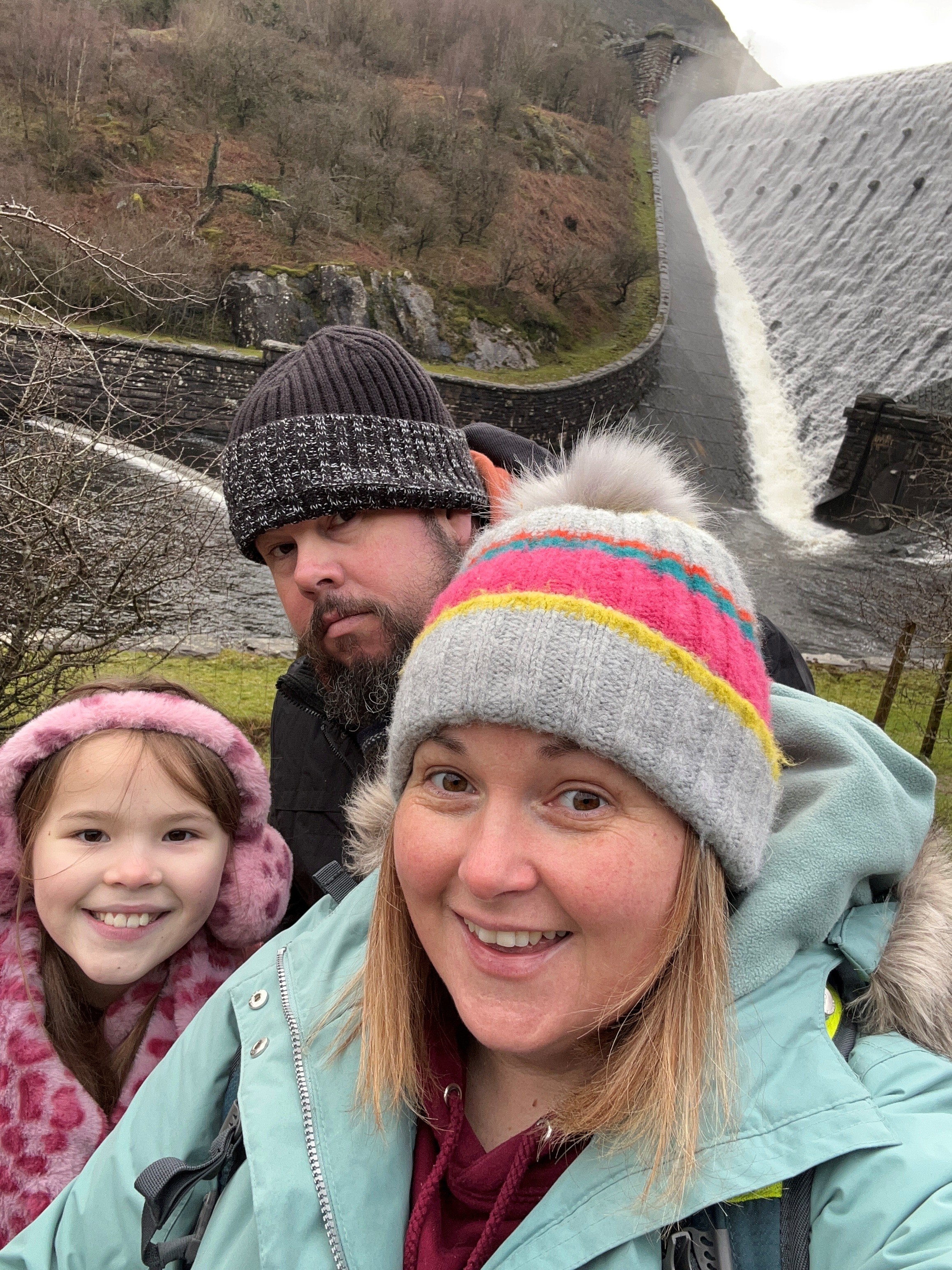
Imogen pictured outdoor with her parents

When Imogen’s diagnosis arrives, we hope that having this awareness will reduce her chances of experiencing DKA and the added trauma that comes from a sudden illness.

It also gave me the opportunity to ask the doctors who were monitoring Imogen if there was anything – early treatments or research trials – that she could do. That’s when teplizumab was first mentioned. The doctor told me it had been shown to delay the need for insulin treatment for around three years, but it wasn’t approved in the UK.

It was a few months later when the doctor mentioned it again. Imogen was at the right stage where teplizumab could be used and there was potential she could be offered it through an access route managed by the drug company. 
We spoke to Imogen about it a lot beforehand. And I asked other family members and friends to ask her about it too – to be reassured Imogen wasn’t just telling me what she thought I wanted to hear. She told everyone she wanted to go ahead with the treatment and was always very cool-headed.  

Because I’ve got lived experience of diabetes, I felt confident this was the best thing we could do for Imogen. Back in the 1990s when I was diagnosed if someone had said, ‘You could be given this and it will delay you getting type 1 diabetes for up to three years,’ I’d have bitten their hand off.

"For Imogen, a huge motivator was knowing she could not only improve her own life but also help make things better for other children in the future. I think that’s what kept her moving forward through all the tests and hard parts." 

Treatments

Teplizumab

In March 2025, we started the 14-day course of teplizumab at Birmingham Children’s Hospital. My husband and I arranged to take time off work and stay nearer the hospital. And I know there were a lot of things the team in Birmingham had to do to make it all happen.

On the first day of treatment they put in a cannula, which they’d use to give Imogen a daily infusion of teplizumab. The infusion only took about 30 minutes, but we’d stay in the hospital for most of the day so Imogen could be monitored.

Imogen coped brilliantly throughout – she’s so resilient. She didn’t feel sick or tired. Midway through the course, her white blood cells did drop. We’d been told to expect this because teplizumab targets the immune system. It looked like we might need to delay the next day’s dose, but fortunately they came back up again quite quickly.

If anything, boredom was the hardest part. Then we got to day 14 and that was it – all done!

Imogen was advised to wear a mask for a few days afterwards because the drug temporarily lowers immunity. She did catch a cold but bounced back quickly.

Now Imogen has follow–up appointments every six months, with blood tests or an oral glucose tolerance test, to check her blood sugar levels and how her pancreas is working. 

Life with diabetes

Hopes for the future

Imogen pictured on a sunny holiday

What I’m truly hoping is that we’ve bought Imogen more time before she fully develops type 1 diabetes and needs insulin therapy.

I’ve told Imogen that having diabetes won’t stop her living the life she wants to. She can still eat sweets, spend time with her friends, and do everything she wants. But it does take that extra care and effort to manage life with diabetes and keep yourself well. 

If we can give her a childhood where she doesn’t need to think about that yet – especially over adolescence, which is already a hard time – that will mean everything.

We feel incredibly lucky and grateful that we got this opportunity. It all happened because I clicked on a Facebook link and found out about the ELSA study. Now I always encourage my friends who are parents to take part.

"Imogen took part in the study to further research and help others, but it has helped her too – being forewarned is being forearmed."

She was always going to develop type 1 diabetes, but through ELSA we’ve been able to slow down the process and prepare – we know what is coming, but we're not scared.

________________________________________________________________________________________________________________________________

Reach out for support

If you are affected by the topics highlighted within this story or other stories on our website, you can access support from our helpline team on 0345 122 2399, Mon- Fri, 9am- 6pm, or email helpline@diabetes.org.uk.

You can join our free forum – to connect with others affected by diabetes (minimum age 13). For more information, see our forum FAQs.

For those aged 11-25 living with type 1 diabetes, check out our youth programme Together Type 1 for a supportive community of people who understand what it’s really like juggling the ups and downs of life with diabetes.
 

Back to Top
Brand Icons/Telephone check - FontAwesome icons/tick icons/uk