Page saved! You can go back to this later in your Diabetes and Me Close

Beth's story: My GP laughed and said type 2 wasn't possible at my age

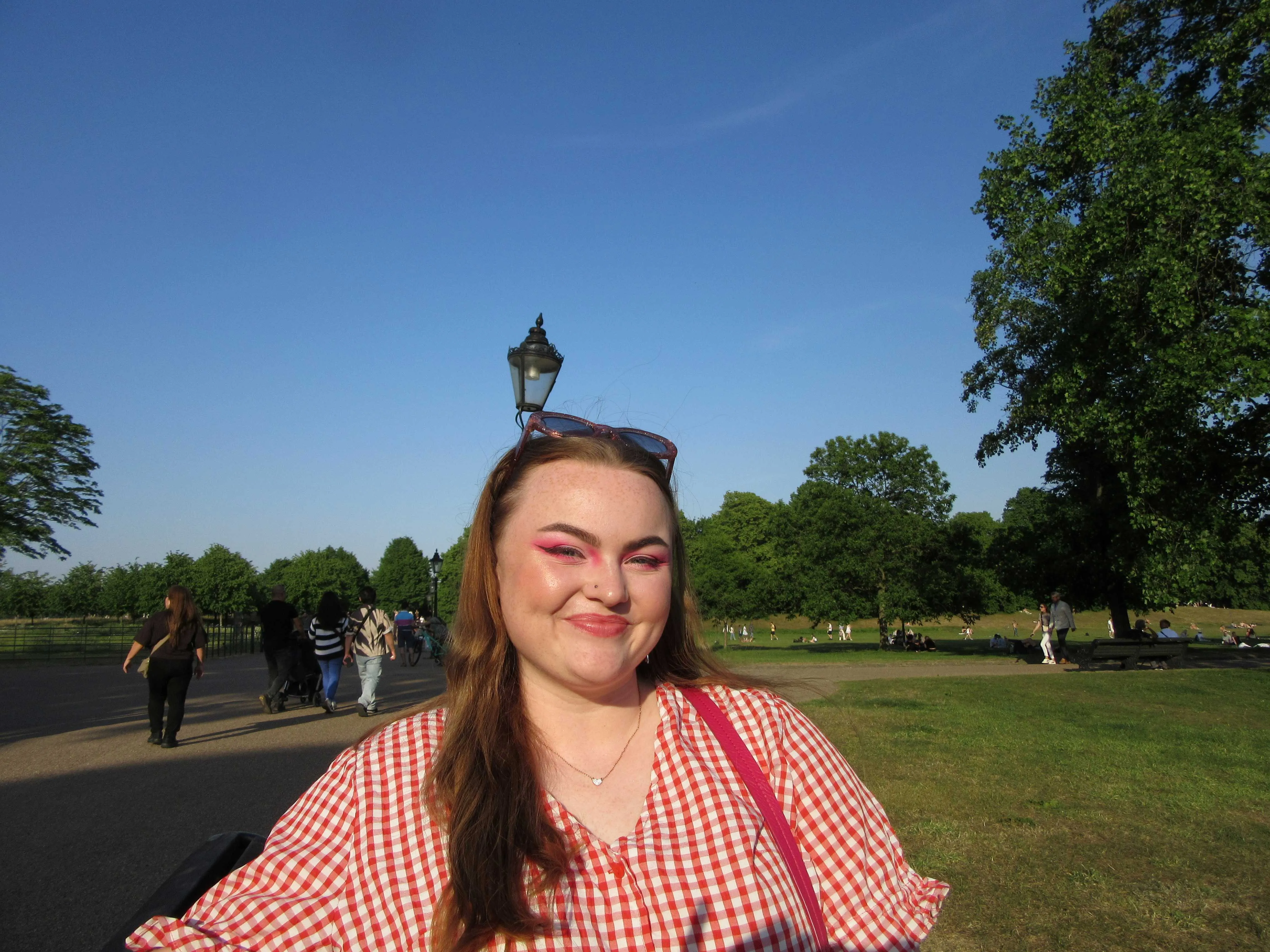
Beth pictured smiling in a sunny park

Beth

"That was hard in itself – to realise that my condition was seen as not the ‘norm’ for my age."

Beth, who lives in Newcastle with her fiancé, was diagnosed with type 2 diabetes at the age of 22. Three years on, she shares her experiences with us including some of the misunderstandings about her condition that she has faced from others.

Next Review Date
Content last reviewed
04 June 2026
Next review due
04 June 2031

Diagnosis

Experiencing several new symptoms

I was diagnosed with type 2 diabetes in April 2023. It came as a surprise as it was discovered while I was seeking a diagnosis for suspected polyendocrine metabolic ovarian syndrome (PMOS), previously called polycystic ovary syndrome (PCOS) via my work’s private healthcare. I also had some new symptoms that were really impacting my quality of life including weight gain around my stomach, extreme thirst, dizziness, needing the toilet often, fatigue and more.

The gynaecologist queried if I had any family history of type 2 diabetes. One of my grandparents did so we tested my HbA1c ‘just in case’. It came back at 70mmol/mol so I was immediately referred to a diabetes specialist who ran further tests to ensure it wasn’t type 1 diabetes or anything else. Shortly after, type 2 diabetes was confirmed, and I was put on metformin

Emotions

A lot to handle

If I’m honest, I was absolutely devastated when I received my diagnosis – I was in shock and instantly blamed myself. I knew that PMOS and diabetes were linked but I just didn’t expect it at my age. I kept it a secret from everyone except my partner for a while as I was extremely embarrassed and felt a lot of shame.

I slowly opened up to my parents, closest friends, brother and his partner who were all extremely supportive. I'm very lucky that my mam is a nurse and my brother’s partner is a researcher within the diabetes space, so they understood that it wasn’t ‘my fault’ and were there to talk about it from a deeper perspective.

Medical support

Unfortunately, this same support wasn’t thoroughly felt from my GP. I sent all my private consultation letters to my GP to have my records updated and to continue my treatment on the NHS. 

"My diagnosis was initially not believed by one of my GP doctors who laughed on a phone appointment with me and told me that type 2 diabetes wasn’t possible due to my age. I was shocked after the phone call."

As I’d received my diagnosis privately beforehand, I had started to come to terms with it a bit. It was all overwhelming – it didn’t help being doubted by a medical professional when I already had my own self-doubt and negativity around my diagnosis. I felt like I was regressing.

I had to go through further testing with them, only to have my diagnosis confirmed again. It was all very exhausting. 

"I understood why they’d want to do their own tests, but I think it was the reaction combined with this that added to my own negative feelings at the time."

I was put on the required monitoring process for my diabetes, offered a phone appointment with a dietitian, and a slot on DESMOND, which I’m waiting to hear back from the team on. While I understand I am receiving the right tests at the required intervals, I was surprised that no one asked how I was holding up mentally, and that there wasn’t more specialist support because of my age being quite atypical for my condition.

That was hard in itself – to realise that my condition was seen as not the ‘norm’ for my age. I then had to seek out a lot of information for myself as a result – it felt a little like being left in the dark. 

Life with diabetes

Judgement has appeared in many ways

Aside from my experience with my GP, I have had acquaintances who are also medical professionals blame me for the condition. They’d say things like ‘you do eat a lot’ or that my diagnosis ‘makes sense as you’ve had access to fizzy drinks since you were a child’. 

"Looking back, I feel that these comments have come from a place of complete ignorance and made me angry, given their jobs. I do still find it hard to trust these people and keep a distance as a result."

I feel like I’m under a microscope at times. My weight did drop when starting metformin and has remained stable since then. I’ve had people take the visible changes to my body as a green light to discuss their weight loss journeys with me. My experience was finding a treatment that works for my chronic illness, so it feels entirely different. I also often get told that I’m ‘still looking good’ which I find condescending as it tells me they are viewing the weight loss side of my journey as an aesthetic thing that I can fully control.

Views on my diet

I’ve done a lot of work to look after my diet but to me, it’s not a big deal and I get on with it – yet others question me. In addition to people sometimes questioning whether I am okay eating or drinking certain things, I do also often get told that I’m ‘being so good’ when making healthy choices. I do find this constant commentary hard as I’m just doing what my body needs to look after my diabetes. It makes me unsure of how to react if I’m honest.

I’ve also experienced awkward conversations when at events or eating meals out. When saying no to a dessert, I’ve had service staff question several times if I’m sure to which I then eventually give in and tell them I’m diabetic. It’s then felt instantly awkward and they leave me alone.  I understand that it is a social thing of people not wanting me to miss out, but I shouldn’t have to divulge my medical condition for them to respect my simple decision.

It can come with good intent, but this feels like an example where people are overthinking my needs and not trusting my judgement – part of me wonders if my age plays into this aspect.

Diabetes is so complex

I really wish people understood the complexity of diabetes. The majority of the general public’s science education ends at secondary school and at a very basic level. In my experience, you were taught that type 1 diabetes can’t be helped, but type 2 diabetes is purely from a lifetime of self-indulgence. But in reality, there are so many nuances and it’s not that simple.

It’s not productive to blame someone for a condition they have based on a preconceived notion you hold. Instead, people should want to learn more to support those around them who are living with diabetes. 

"The stigma and blame people like to associate with the condition isn’t productive and, in my opinion, can cause those with diabetes to go through even more emotional turmoil."
 

Journey with diabetes

Advocating for yourself

Receiving a diagnosis can be really tough. For others in a similar situation to me, I’d say, it’s okay to take that time to process your emotions. Diabetes has so many different layers to it so it can naturally feel quite daunting to come to terms with.

For me, doing my own research and advocating for myself was really important. 

"My experience with my GP was tough – it can be very demoralising if they hold views on what age is acceptable to have a type 2 diabetes diagnosis."

I’ve found that it’s really important to have that research on hand to be able to advocate for the support you need. When I’ve wanted to raise concerns, citing reputable resources such as Diabetes UK has given me more traction.

Having support from your loved ones 

I’m extremely passionate about science education and would really encourage those who are supporting friends and family with their diabetes to help by doing their research to really understand the condition more. Bringing all of that and an open mind to any conversation can mean a lot.

Once I processed my diagnosis, I also found that me being open and honest with people was most beneficial. 

"This has led to some great conversations with colleagues and friends about the realities of my condition, helping to destigmatise some of those realities as a result."

Emotionally my friends and family have been absolutely amazing, and I wouldn’t be in a position to share my story without them.

As a young person living with type 2 diabetes, it can feel a little isolating as I felt like there wasn’t many specific resources or support out there. Last year, I pushed for a referral to a diabetes clinic that specialises in young adults with type 2 – it was a struggle – but I eventually got my referral and am waiting to hear back from that appointment. 

I hope that sharing my story contributes to the information that people with similar experiences can find out there. That it helps someone going through the same thing to understand that they are not alone and it’s not their fault. 

____________________________________________________________________________________________________________________________

Reach out for support

If you are affected by the topics highlighted within this story or other stories on our website, you can access support from our helpline team on 0345 122 2399, Mon- Fri, 9am- 6pm, or email helpline@diabetes.org.uk.

You can join our free forum – to connect with others affected by diabetes (minimum age 13). For more information, see our forum FAQs.

For those aged 11-25 living with type 1 diabetes, check out our youth programme Together Type 1 for a supportive community of people who understand what it’s really like juggling the ups and downs of life with diabetes

Back to Top
Brand Icons/Telephone check - FontAwesome icons/tick icons/uk