Page saved! You can go back to this later in your Diabetes and Me Close

Liam's story: The impact of stigma can be immense, it often becomes a vicious cycle

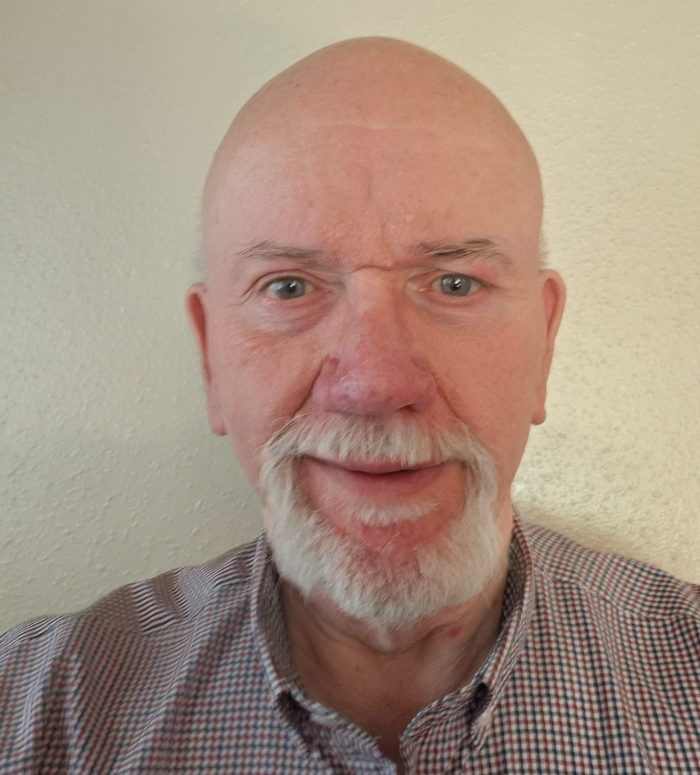
Liam pictured smiling

Liam

"Going to healthcare appointments has been one of the biggest sources of anxiety for me when managing my diabetes."

Liam, from South East London, shares his experiences of life with type 2 diabetes and the impact of stigma that he has experienced in healthcare settings.

(Photo by: Matthew Kaltenborn)

Next Review Date
Content last reviewed
04 June 2026
Next review due
15 May 2031

Diagnosis

Hearing my diagnosis was frightening

I was diagnosed with type 2 diabetes at the age of 24. Hearing the diagnosis was frightening, but I do believe my eating habits played a significant role. At my heaviest, while at university, I weighed 24 stone, but I’ve since reduced my weight to 16.5 stone.  

I’ve always been a foodie and surrounded by food, but for a long time I buried my head in the sand about the impact it was having on my body.

What was even more shocking at the time was learning about my diagnosis before I had been formally told. I had been admitted to hospital with breathing problems and believed I was being treated for pneumonia. During a ward round with a group of student doctors, the consultant announced that I had diabetes, before anyone had spoken to me directly about it. Being seriously unwell and then discovering I had diabetes in that way came as a huge shock.
 

Life with diabetes

Stigma I have experienced

There are many misconceptions surrounding type 2 diabetes, with one of the most common being that it is entirely the individual’s fault. I’ve heard people say things like, type 2 diabetes is just about making better choices, but nobody chooses to have diabetes.

Having that sense of blame placed on you can be very difficult to deal with. While I knew I needed to make changes to my nutrition, no one deliberately chooses to develop this condition.

Stigma can be a vicious cycle

"The impact of stigma can be immense, and it often becomes a vicious cycle. It makes me feel ashamed, depressed, and upset, and the anxiety builds when I am constantly exposed to negative attitudes. Over time, you begin to internalise those messages and believe them yourself."

For me, food has often been a source of comfort, so when I’m feeling low, I naturally turn to it, which then leaves me feeling even worse. It can become a perpetual cycle, and it is very difficult to break without compassion, reassurance, and support from people who remind you that you are not simply to blame and that help is available.

I would want people to understand that living with diabetes is a daily challenge and a constant examination of myself. I continue to struggle with the reality of living with a chronic health condition.

Stigma during healthcare appointments

Attending healthcare appointments has been one of the biggest sources of anxiety for me when managing my diabetes. I have often felt judged by healthcare professionals, including GPs and diabetes specialist nurses, and as a result I have approached appointments with a great deal of fear and apprehension. At times, I have even missed appointments altogether and rebooked them simply to delay what felt like an impending ordeal.

I believe much of this stems from assumptions being made about you. 

"In my opinion if healthcare professionals think you’re managing well, the response can feel supportive, but if they believe you are not making enough effort, the attitude can feel very different. That creates a real sense of fear."

I remember one appointment with a diabetes doctor who barely looked up from the computer or made eye contact with me for most of the consultation. Experiences like that made me feel as though I was just a number – reduced to my HbA1c result rather than being seen as a whole person.

Another major issue for me has been the lack of continuity in care. I have only seen the same healthcare professional twice; every other appointment has been with someone different. When you are constantly seeing new people, it is obvious they do not know you or understand what you have experienced. In fairness to them, they only have your medical results and what you tell them in that moment to rely on.

"Over time, I developed significant anxiety around attending appointments and often expected them to go badly before they had even begun. The worse I was feeling emotionally, the less likely I was to check my blood sugar levels because I simply did not want to face the numbers."

It sounds irrational, but even when someone does not truly know you, you can still feel as though you’ve disappointed them, and that feeling can carry a lot of weight.

I must say, however, that I am now in a much better place, largely because my results have improved. What has made the greatest difference is feeling supported rather than judged. It is so important that healthcare professionals engage with patients in a compassionate and collaborative way. If the interaction feels accusatory, or as though you are not working together, it can be incredibly discouraging and difficult to receive positively.

Journey with diabetes

Have that self-compassion

I’ve come to believe strongly in self-compassion – allowing myself to experience both the ups and the downs without viewing every setback as a major failure. Managing my diabetes is not about being perfect; it’s about making small, sustainable changes over time. One of the biggest shifts for me was learning to stop being so hard on myself and allowing myself to recognise and celebrate the small victories along the way.

That approach has genuinely worked for me. My diabetes results are now the best they have ever been, and I weigh less now than I have in the past 20 years. I am also now in my late thirties and became a father a couple of years ago. Having my son has given me a new sense of motivation to take care of my health, to be present for him, and to see him grow up.

I’m determined to prioritise my health not only for myself, but for my son and our future together.

Liam is a FreeStyle Libre Ambassador with Abbott. As Stigma Champion Partners, Abbott is supporting Diabetes UK through Diabetes Week and beyond to help tackle diabetes stigma.

______________________________________________________________________________________________________________________________

Reach out for support

If you are affected by the topics highlighted within this story or other stories on our website, you can access support from our helpline team on 0345 122 2399, Mon- Fri, 9am- 6pm, or email helpline@diabetes.org.uk.

You can join our free forum – to connect with others affected by diabetes (minimum age 13). For more information, see our forum FAQs.

For those aged 11-25 living with type 1 diabetes, check out our youth programme Together Type 1 for a supportive community of people who understand what it’s really like juggling the ups and downs of life with diabetes

Back to Top
Brand Icons/Telephone check - FontAwesome icons/tick icons/uk