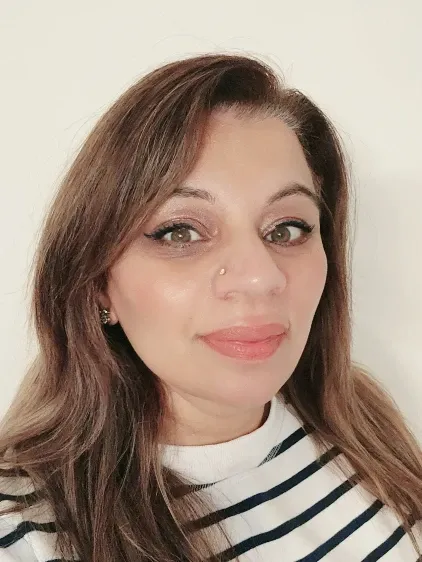
Around 18 months ago, I was diagnosed with type 2 diabetes following a routine blood test. As a very active person who is mindful of my nutrition, the diagnosis came as a surprise.
Before my diagnosis, I used to be someone who was able to fast for long periods of time, however last year I found fasting very challenging as it made me feel very lethargic and extremely weary. I also found I needed to eat during the day in order to manage my diabetes and continue with my day to day routines.
Life with diabetes
Ramadan
From my experience last year, I feel I know what works for me and I’m very much across what foods I can eat, paying particular attention to the ingredients within foods.
I will be fasting this year, focusing on spiritual preparation rather than just food. During Ramadan, I will try to strengthen my connection through reading the Quran and practicing patience and consideration, even though fasting can make this challenging at times.
My advice would be to fast if you’re able to but remember there are medical exemptions so you should do what is best for you and your body, as fasting when living with diabetes and other chronic conditions means you need to think about your health and prepare in advance.
If you want to fast, speak to your healthcare team well before Ramadan starts to ensure you can do so safely.
Islamic teachings emphasise that if fasting is detrimental to your health then you should use the exemption - it's there to protect your wellbeing, not as a ‘get-out’ clause, it's actually there for your own personal benefit, to safe guard your health.
This year, while my intention is to fast, I recognise the importance of listening to my body and to respond appropriately if I am unable to do so. Ramadan is not about punishment, and it can be embraced in many other ways, through family, community, and empathy for those who have less, helping us appreciate what we have.