Page saved! You can go back to this later in your Diabetes and Me Close

Clare's story: How early screening changed my son's type 1 diagnosis

""
"The experiences of my two sons’ diagnoses couldn’t have been more different."

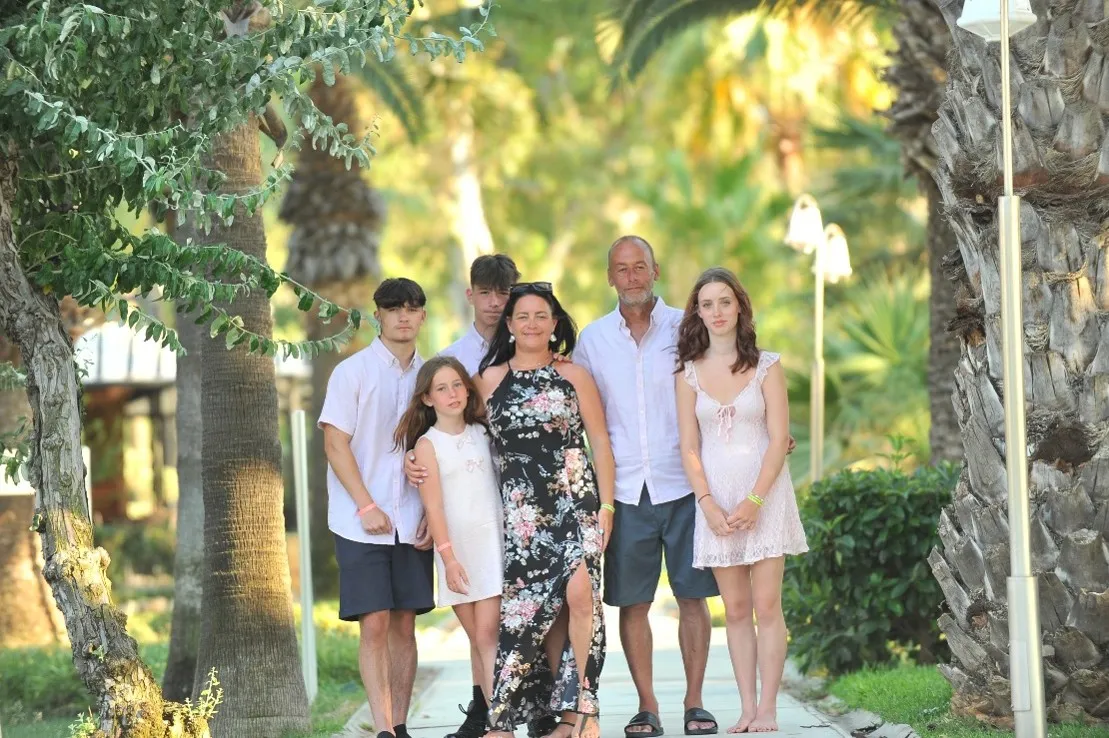
Clare lives in Cheshire and is mum to four children. Her eldest son, Zach, was diagnosed with type 1 diabetes in a medical emergency and rushed to A&E. Later, her other children took part in the ELSA study to get screened for their risk of type 1 diabetes. Screening identified that her other son, Seth, was in the early, symptomless stages of type 1 diabetes. 

Next Review Date

Content last reviewed
21 August 2026
Next review due
28 July 2031

Diagnosis

Taking part in screening research

When my eldest son, Zach, was diagnosed with type 1 diabetes in October 2020, it hit us like a brick. He was 10-years-old, and we were in the thick of Covid. The GP couldn't see him in person and he was initially diagnosed with glandular fever over the phone. Two days later, I rushed him to A&E, where he was diagnosed with type 1 diabetes in diabetic ketoacidosis (DKA).

It took a long time for type 1 diabetes to become our norm. As a parent, your first thoughts are about what your child might miss out on in life. Eventually, you realise it doesn't have to hold them back, but that adjustment takes time.

As well as Zach, I have three other children. When I heard about the ELSA screening study, I decided to have my younger children tested. My son Seth, who was 10 at the time, tested positive for two type 1 diabetes autoantibodies in April of 2023. We were told that this meant he had early-stage type 1 diabetes. Further testing showed he was in stage 1 of early-stage type 1 diabetes, meaning his blood sugar levels were still normal. 

Journey with diabetes

Learning about early-stage type 1 diabetes

Initially, getting Seth's results was upsetting. It was a shock and it was something he'd worried about ever since seeing his older brother diagnosed. But we had lots of support and education from the ELSA team, and that made a huge difference – giving us time to prepare. 

We were also directed to other research studies where Seth was monitored really closely so any changes to his blood sugar levels could be picked up early. We could actually watch the gradual progression towards stage 3 type 1 diabetes, which is when insulin treatment is needed. 

As part of that journey, we joined the UK Islet Autoantibody Registry, which has been a really valuable source of support. Through the Registry, we've been able to ask questions when we've been worried about changes in Seth's glucose levels, find out about research opportunities and stay up to date with developments that might be relevant for him. We've also completed questionnaires to share our experiences of early-stage type 1 diabetes and contributed information that researchers can use to better understand how the condition progresses.

Before ELSA, we didn't know anything about the early stages of type 1 diabetes. Like many people, we thought diagnosis happened suddenly when symptoms appeared. We didn't realise the condition was already developing, perhaps for years, or that it could be detected so much earlier. 

The ELSA team explained that progression can vary hugely between individuals. At one point, we were told it could potentially be many years before Seth developed stage 3 type 1 diabetes. In reality, things moved much faster. About two years after being identified at stage 1, Seth reached stage 3.

Treatments

A completely different diagnosis experience

""

Seth is now 13 and has recently started on small amounts of background insulin. He says it feels normal because he's watched his older brother manage type 1 diabetes for most of his life. He was anxious about his first injection, but he'd had time to prepare. He knew it was coming.

The experiences of my two sons’ diagnoses couldn’t have been more different. With Zach, his diagnosis came as this sudden crisis and it took him a long time to recover from being so poorly. With Seth, we knew what was happening every step of the way. Because he was being monitored so closely, it has been gentle – there was no DKA, no emergency admission to hospital. While it’s still sad that Seth has type 1 diabetes, it hasn't hit us like a sledgehammer.

"For us, avoiding DKA and a traumatic diagnosis has been one of the greatest benefits of taking part in research and early screening and monitoring."

Another benefit is that it opens doors to opportunities that simply weren't available when Zach was diagnosed.

As Seth progressed through the stages of type 1 diabetes, we were able to discuss immunotherapies and research studies with his clinical team. Although timings meant some options weren't suitable for Seth, having those conversations and being able to explore the options felt incredibly valuable. Without screening, families don't get that opportunity.

Life with diabetes

Why I would encourage families to take part

When we first heard about ELSA, we did wonder whether we wanted to know about our children’s risk. Did we really want that hanging over us? But we decided that not knowing wouldn't stop us worrying. Every extra drink of water, every extra trip to the toilet, would have made us wonder whether type 1 diabetes was developing. We'd have been constantly on guard.

Over time, having the knowledge became reassuring rather than frightening. We had a strong support network around us and access to experts. It felt like there was a whole circle of people watching over Seth and looking after him. 

I think research is so important, and we're really glad to have signed up to ELSA and the Registry. 

Hope for the future

Six years ago, when Zach was diagnosed, the future felt quite different and like there was little else on the horizon. Today, we're hearing more and more about new developments and ways to protect insulin-producing cells for longer. That gives me hope. Not just for my sons, but for other children and families too.

I hope more immunotherapies become available and that treatments continue to improve. And I hope that earlier screening becomes more widely available so that more families can avoid the trauma of an emergency diagnosis.

Having lived through both diagnosis experiences, I know just how important early detection can be.

Back to Top
Brand Icons/Telephone check - FontAwesome icons/tick icons/uk