Page saved! You can go back to this later in your Diabetes and Me Close

Donita's story: Misunderstandings around my condition left me feeling dismissed

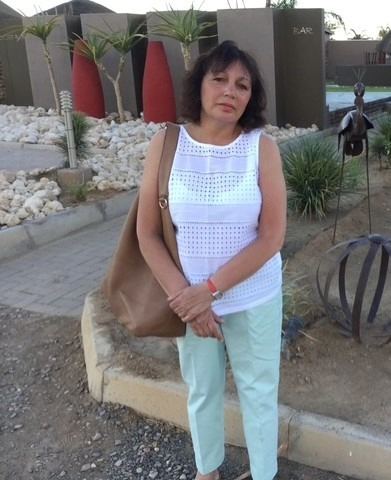
Donita pictured smiling

Donita

"In my workplace, I often found myself over-explaining my condition because I didn’t feel believed."

Donita shares her experiences of living with type 1 diabetes and how stigma impacts her.

Next Review Date

Content last reviewed
04 June 2026
Next review due
28 April 2031

Diagnosis

A shock for my family

I was diagnosed with type 1 diabetes at the age of 11, which came as a significant shock – especially for my mum, as I was the only one in the family with the condition. There were many questions at the time but over the years, I’ve developed a much better understanding of my diabetes. 

Reading about others’ experiences has helped me relate and reflect, and I’ve come to realise that the impact on my mental health and well-being could have been better managed if the right support had been available earlier.

Life with diabetes

Experience of stigma

For many years, well into my early thirties, I didn’t view my diabetes as a disability. It was only when I encountered misconceptions and oversimplified assumptions about the condition that I began to see it differently.

"Diabetes is complex, and I often felt I shouldn’t have to explain it to everyone just for them to understand what I manage every day."

At work, things became progressively difficult. I began reading up on my rights and even joined a union, as I didn’t feel I was being treated fairly or safely. I often found myself over-explaining my condition because I didn’t feel believed.

It seemed that no one really understood diabetes, and I felt like I had to be very open about personal details – such as experiencing hypos – to many people. Eventually, I resorted to sharing written information about my condition with managers.  

Despite having the ability to continue, there was a lack of flexibility, increasing responsibilities, and the refusal of my request to work part-time that made it impossible to balance my work and caring for my daughter. In the end, after a prolonged period of difficulty, I felt I had no choice but to leave my job.  So, since March last year, I’ve been a full-time carer for my daughter and that’s very much a full-time job.

Stigma and healthcare professionals

In terms of stigma from health professionals, I’ve noticed it more recently than before – perhaps because I’m now more aware of gaps in care. I often feel that people assume I’m coping well, which can mean I receive very little support when I ask for it.

When I try to arrange appointments with my consultant and explain that I’m struggling or worried about a particular medication being stopped, I feel my concerns are sometimes dismissed.  

"In my opinion If you’re perceived as ‘doing well,’ it can be harder to access the care you actually need."

At times, I’ve missed appointments – particularly with nurses – because I expect to hear the same generic advice, which can feel impersonal and repetitive. It doesn’t feel person-centred, and there isn’t always recognition that each patient’s situation is unique. Factors like my hormones and environment play a significant role in my condition, and I’m seeking more tailored support, which I don’t feel is currently available to me.

"I have requested a more coordinated approach to my diabetes care, and I believe support needs to be centred around the individual, as a one-size-fits-all approach is not appropriate."

I continue to manage multiple complexities and, although I have been open with the care team, it is important that my need for this level of support is acknowledged and addressed.

I’ve had to push quite hard to be heard I feel it’s so important that I am recognised as understanding my own body, rather than having my concerns overlooked.

____________________________________________________________________________________________________________________________

Reach out for support

If you are affected by the topics highlighted within this story or other stories on our website, you can access support from our helpline team on 0345 122 2399, Mon- Fri, 9am- 6pm, or email helpline@diabetes.org.uk.

You can join our free forum – to connect with others affected by diabetes (minimum age 13). For more information, see our forum FAQs.

For those aged 11-25 living with type 1 diabetes, check out our youth programme Together Type 1 for a supportive community of people who understand what it’s really like juggling the ups and downs of life with diabetes

Back to Top
Brand Icons/Telephone check - FontAwesome icons/tick icons/uk