Page saved! You can go back to this later in your Diabetes and Me Close

Marlene’s story: The steps I took after my prediabetes diagnosis

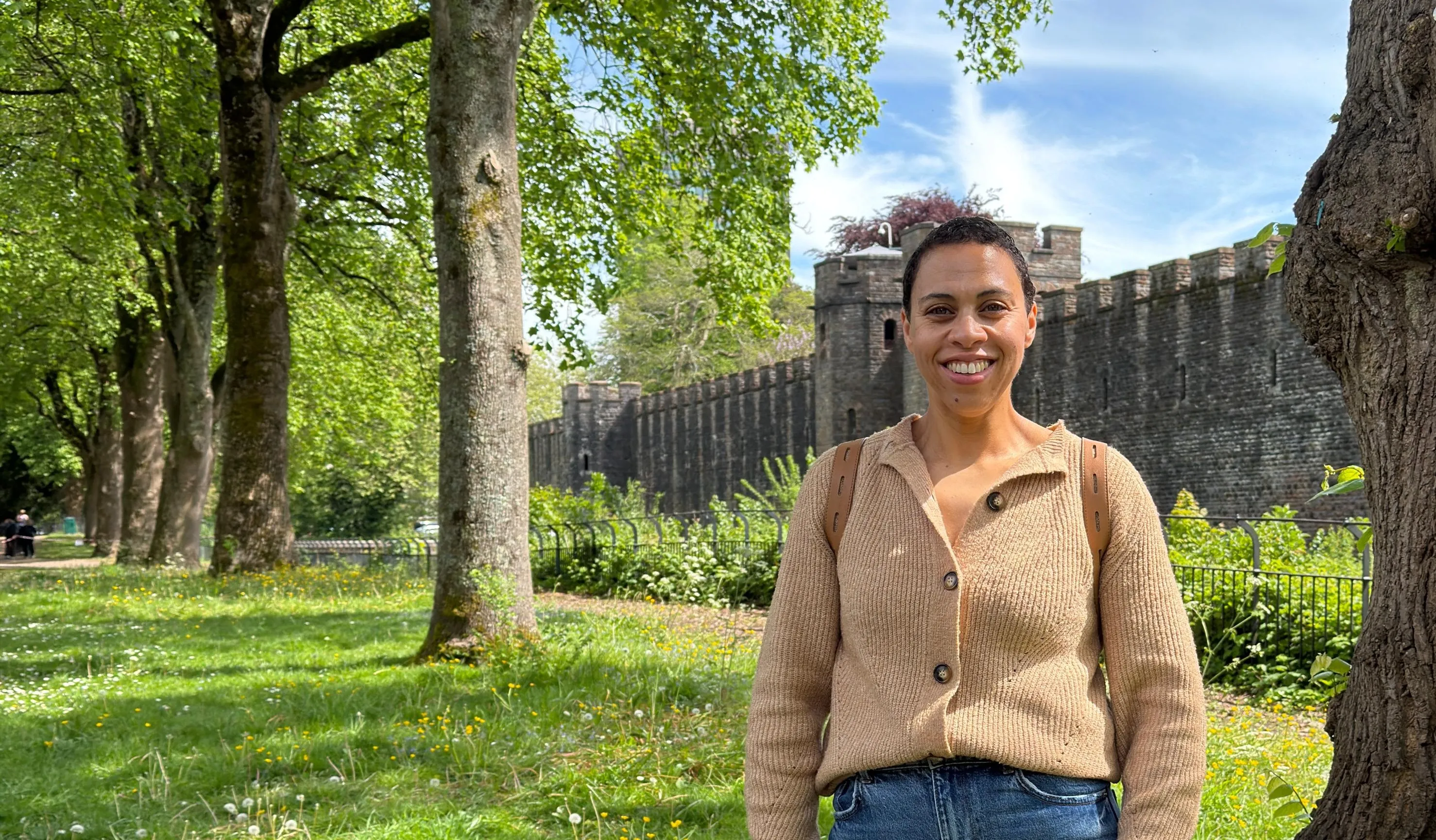
A lady with short black hair wearing a beige sweater, pictured in a park on a sunny day

Marlene

"There are actions, changes and knowledge that could help change your path. I found that seeking advice from trusted sources is what matters most."

Marlene lives in Telford with her husband, Andre, and two sons, aged 10 and 7. Working as a nurse in the NHS alongside her husband, they manage very busy roles alongside and an even busier family life, filled with many extracurricular activities.

Marlene shares her experiences of being diagnosed with prediabetes in February 2023 and how she made a plan to adapt her diet and exercise routines in the months that followed. Overcoming challenges along the way and adapting her plans, Marlene has since reversed her prediabetes.

Next Review Date
Content last reviewed
09 July 2026
Next review due
18 February 2031

Diagnosis

A real shock

My first encounter with diabetes was when I found out I had gestational diabetes during my pregnancy in 2018. While I knew that this could increase my risk of developing type 2 diabetes down the line, my diagnosis of prediabetes five years later was still quite a shock.

I’d experienced some spells of nausea and dizziness that I couldn’t explain, so I went to get my bloods done. After that, I got the diagnosis via a text message, along with some advice.

Emotions

Overwhelming at first

There were definitely feelings of overwhelm and fear after receiving that text. It almost felt like I couldn’t get away from it. After some time, I sat down and had to compose myself, understand the risks and make my plan to address it – I was really determined to change and reverse my prediabetes diagnosis.

While adjusting my diet and exercise routines, I found that one of the most helpful things for me to keep in mind was to not be afraid and to feel okay taking the first step. 

"Remembering that it won’t happen all at once but there’s potential to overcome it with small consistent steps every day."

Overcoming challenges

The mental challenges proved the worst for me to overcome. I often had doubt and constant questions like, ‘Is this even working?’, ‘I ate something different today, I’ve messed everything up’ or ‘I should just give up’.

Those were all thoughts that were floating through my mind frequently and I treated all events that deviated me from my plan as a ‘mistake’. In reality, it was just life happening – with all its unpredictable twists and turns. I had to learn that, making sure I was making peace with myself and being patient.

I also had to deconstruct the idea that working out was the only solution – I had these thoughts that I had to be in the gym to achieve something meaningful. With time, I realised that there is no such thing as bad movement. A walk, playing around with the kids, passing the ball, dancing and so many other activities can keep me active and create amazing family memories in the process.

"Overall, I found that absolutes did not work for me – I had to allow myself the flexibility, education and grace to overcome the challenges and not be too hard on myself."

In our current culture, we aim for a quick solution to a problem – and that feels like it can sometimes be the case for our health and habits too. Habits that took long to build will take long to deconstruct and rebuild.

In the last three years I have been managing that journey and working to get my HbA1c down to below the level for prediabetes and I’m really pleased that my latest results showed my levels as 38mmol/mol.

Food and healthy eating

The right changes, at the right time

Right after my diagnosis, I tried to learn as much as I could about carbohydrates and focused on my nutrition. After making some changes to my diet, the dizziness and unexplained nausea subsided.

Initially, I had removed all carbohydrates from my diet, which I now understand was not the best course of action for me. I’d panicked and wanted that quick solution initially. I wanted to do something to tackle the problem, but I was only depriving my body of an essential nutrient and feeling miserable in the process.

After some time, I was able to find stability and ensure that I was having a balanced diet.

"Nutrition education is key to making the right changes at the right time to achieve the best outcomes"

I then started to focus on exercising and moving my body as much as I could – I wanted to hopefully alter the course of my life and not let type 2 develop.

Activity

Building confidence

Before my prediabetes diagnosis I was completely sedentary – with little to no meaningful movement during the day. I started training at the local gym. Initially I found that daunting – the environment, the noise, the people. But gradually I was able to focus on my own journey and health, moving past the mental blocks.

I worked slowly to develop the confidence, the movements and my own ability until I was able to challenge them. Push forward, move more, do more. I was on a mission to outdo my former self and that kept me going. 

I have been training consistently for nearly three years and will never look back. This year I even took on a HYROX challenge to help raise funds for Diabetes UK, which was an incredible accomplishment. 

Journey with diabetes

Finding my passion

I started out quite afraid and anxious after my diagnosis but ended up finding a passion that I never knew was possible for me. Fitness and nutrition are now some of my biggest interests – if you told 2023 Marlene that this would happen, she would never believe it. Now, I have my bloods done every year and keep an eye on how I’m doing. I’m so glad that I took control of something I thought would rule the rest of my life.

Don’t do this alone

I’m sure there are many others who may have had a similar experience to me. 

"For anyone else going through it, I think it’s really important to remember that a prediabetes diagnosis is not definitive."

There are actions, changes and knowledge that could help change your path. I found that seeking advice from trusted sources is what matters most. You will have lots of opinions, potentially from friends, family members or even work colleagues – they mean well but it’s not person-specific advice and is not tailored to your individual needs.

It can be tricky trying to do all that research straight after your diagnosis. I’d searched and searched for much information as I could which was exhausting. One thing I felt was lacking was that initial signposting to relevant and reliable sources of information. 

"At the beginning of my journey, I was unaware of the help and advice I could have received from Diabetes UK. I feel it could have been a much easier process had I received that at the very beginning."

In my experience, it’s definitely not a journey you should try to do on your own. It can be overwhelming – especially when you hear information coming from different sources. Always seek reliable and professional support and guidance.

Currently, in my line of work, part of my portfolio is connected to diabetes, so I try really hard to ensure the right information, alongside correct care and support, reaches the people that need it the most. 

___________________________________________________________________________________________________________________________________________________

Reach out for support

If you are affected by the topics highlighted within this story or other stories on our website, you can access support from our helpline team on 0345 122 2399, Mon- Fri, 9am- 6pm, or email helpline@diabetes.org.uk.

You can join our free Support Forum – to connect with others affected by diabetes (minimum age 13). For more information, see Forum FAQs.

For those aged 11-25 living with type 1 diabetes, check out our youth programme Together Type 1 for a supportive community of people who understand what it’s really like juggling the ups and downs of life with diabetes. 

Back to Top
Brand Icons/Telephone check - FontAwesome icons/tick icons/uk