Page saved! You can go back to this later in your Diabetes and Me Close

Sian's story: we need greater acceptance and understanding of gestational diabetes

""

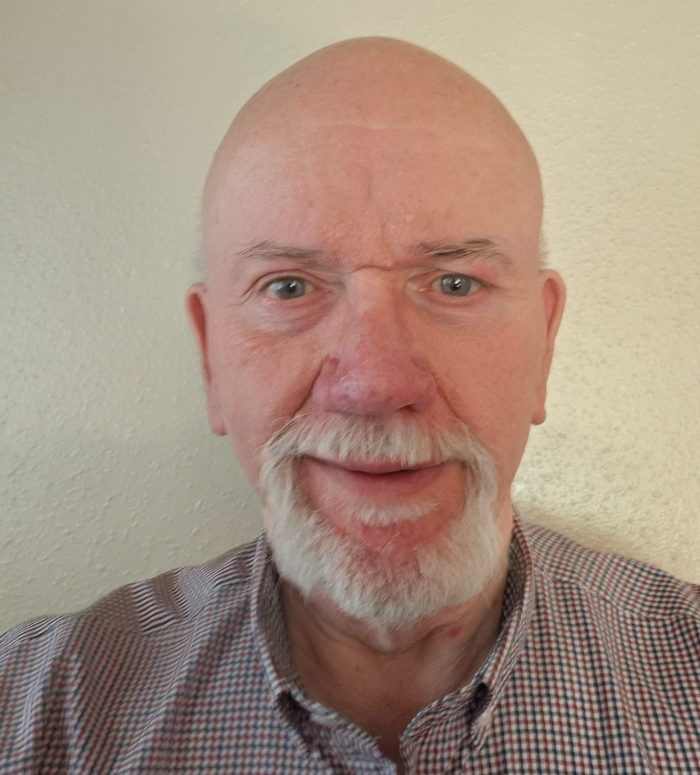
Sian is a Member of the Legislative Assembly for Northern Ireland, living in County Antrim with her husband and three young children. She shares with us her experiences with diabetes, including being diagnosed with gestational diabetes (GDM) at 24 weeks during her first pregnancy, at 14 weeks with her second child and being diagnosed with type 2 diabetes before her third pregnancy.

Next Review Date
Content last reviewed
16 September 2026
Next review due
21 August 2031

Diagnosis

A shock diagnosis

I was really quite shocked to be diagnosed with gestational diabetes during my first pregnancy in 2016. At 24 weeks I was offered the oral glucose tolerance test (OGTT) as I had an increased risk due to my BMI and family history of type 2 diabetes.  

I received my diagnosis over the phone as I was away travelling for work at the time. I was away from my support system and my partner, and I remember that being a really scary thing to hear over the phone.  

Emotions

Feeling overwhelmed

I felt such incredible guilt and was really questioning myself. Had my choices caused this? That was back then, now I understand many of the misunderstandings and that there is so much more to the ins and outs of gestational diabetes.  

Before all of this, I didn’t really know an awful lot about gestational diabetes and what it could mean for my pregnancy. I was booked in with my clinic for the following week, and while that was a relatively short gap, it was long enough for me to have that real feeling of fear.  

Naturally, in the absence of my support system then and there, I started to look things up online which scared the life out of me. I think one of my tips for others would be to avoid doing this if you can – I was seeing some of the scarier outcomes online from sources that weren’t quite as reliable as they could have been. 

Journey with diabetes

Giving birth

I think because I’d been very regimented from my diagnosis in terms of what I was eating and doing my finger prick tests, a birthing plan for me was essentially to get the baby out safely. I knew there was a higher chance that I’d need some medical intervention, so I’d prepared myself for that happening.  

As we got closer to the time, I knew I was going to be induced two weeks early but ended up having to have an emergency C-section after induction. It was quite frightening, but my son arrived safely.  

Experiencing my second pregnancy  

I’d thrown myself into my first pregnancy really trying to get as much information as I could, to help me feel a little more in control where possible as a first-time mum. By the time it came to my second pregnancy, I tested my blood sugars every so often, and at around 10 weeks I had started to see a bit of an increase.  

By 14 weeks, I was diagnosed with gestational diabetes which was a good bit earlier than my first pregnancy. I also ended up being on insulin much sooner compared to my first pregnancy where I was diet-controlled until 36 weeks and then on insulin for the last couple of weeks.  

Stigma and misconceptions  

Because of the learning I had engaged in with my first pregnancy and I guess being that little bit older, I felt more relaxed with my subsequent pregnancies. But I felt like I was constantly having to educate people.  

It was only really later on in my last pregnancy that I had opened up more about what I was experiencing. But being a woman in the public eye, particularly as a political representative, I had quite a lot of negative comments and judgement. Unfortunately, there are so many misconceptions about diabetes.  

I’ve also often had to deal with people questioning me: ‘Oh, can you eat that?’ or ‘Oh gosh, do you have to take loads of insulin to be able to have your lunch?’ There is a real lack of understanding and awareness.

On the other hand, what has been really lovely and powerful for me was when I’d visit family and friends and they’d taken the time to look up recipes or plan meals that supported my diet. Similarly with my husband, who’d go out and top up the cupboards with snacks that were within my meal plan.  

A supportive team meant the world to me  

My healthcare team were fantastic – I was very lucky to have the same consultants for every single one of my pregnancies. That was a real comfort for me – especially during that first pregnancy where they were just so helpful and joined in my excitement which meant an awful lot.  

I feel like, once you’ve had your baby, it’s easy for your focus to shift away from your own health. But that’s where the advice from my healthcare team helped a lot. I was encouraged to go for my HbA1c results regularly – beginning at 12 weeks postpartum and then annually. 

Life with diabetes

Catching my type 2 diagnosis early

With the advice of my healthcare team, I made sure I had my HbA1c done every year without fail. After I had my second child, that’s how my diagnosis of type 2 diabetes was picked up so quickly – my HbA1c had changed drastically in the space of one year.  

I really struggled when I received my type 2 diagnosis. It was a mixture of shame and disappointment in myself that I hadn’t taken the time to prioritise my health. I didn’t tell anyone except my husband for at least a week. I had also lost my dad to diabetes-related illnesses just six months before which was incredibly hard.  

With each and every pregnancy, there was a great deal of teamwork with my healthcare team, and even more so when I had my third child. With my diagnosis of type 2 diabetes, it meant I was on insulin much sooner during the pregnancy than I was used to before. What I really appreciated was that they would listen to very specific challenges that I had and worked closely with me on ways to counter them – it felt very personalised. 

Looking after yourself is key  

Just last year, I had a scare with my diabetes where I was making dinner after work and felt quite unwell. Admittedly, I hadn’t checked my blood sugars in quite a while and when I did, they were very high – those numbers continued to climb the next day, and I ended up in hospital. This cycle of being unwell went on for quite some time and I struggled with my blood sugar levels – all while managing my job and trying to look after the kids.  

A video on social media really struck me, where a mum who had gestational diabetes mentioned how her blood sugar levels were perfect during her pregnancy and when she wasn’t pregnant, she didn’t have the same focus. She spoke about how she loved her children and valued her children’s health more than her own. I remember thinking – if I keep being as ill as I have been, I might not be around for my children. I think to a certain degree I was in denial and that scare was a real wake-up call for me.  

I’ve recently moved on to new medication and that has been a real gamechanger for me – instantly, within a week, my blood sugars were coming down and have been in range since.  

Please don’t feel alone  

I hope that any woman who is diagnosed with gestational diabetes doesn’t feel alone. Doesn’t feel like it’s her fault and realises that there is support out there. I would really love for there to be a greater acceptance and understanding of gestational diabetes.  

I just hope that every woman feels supported and doesn’t feel stigma or at fault for that diagnosis. It’s also incredibly important that every woman gets that same level of support from their healthcare team – that non-judgemental and caring support that I received.  

Back to Top
Brand Icons/Telephone check - FontAwesome icons/tick icons/uk