If you have type 1 diabetes, your immune system has attacked the insulin-producing beta cells in your pancreas. This means you can’t make enough of your own insulin, and need to replace it through injections or a pump.
But insulin doesn't treat the underlying cause of type 1 diabetes: an immune system attack. This is what new treatments – called immunotherapies – will be able to do, by reprogramming the immune system so that it no longer destroys beta cells. They could stop type 1 diabetes in its tracks to delay, prevent or help to cure the condition.
The nuts and bolts of immunotherapy
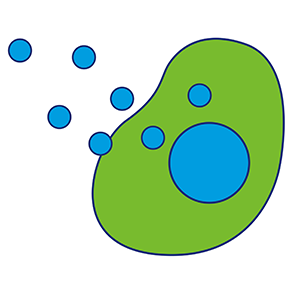
Our immune system is normally made up of a balance of different types of immune cells, all working together to protect us against infections. But in type 1 diabetes the immune system thinks insulin-producing beta cells are the enemy, and sets out to destroy them.
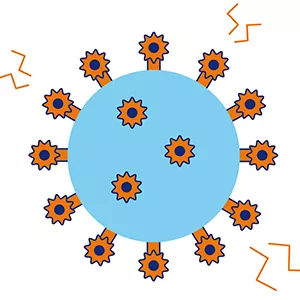
In type 1 diabetes there are different types of immune cells at work.
|

|

|
Different immunotherapies work in different ways, but they all aim to stop the immune system from attacking the pancreas. Some try to teach the B cells to no longer see beta cells as their enemy. Others try to dampen down the activity of B cells or killer T cells, so they can’t play their role. And some treatments help to boost the Treg police force so they can protect the pancreas against an attack.
Who could immunotherapies help?
Immunotherapies could help people with type 1 diabetes at three time points.
Delay or prevent
Type 1 diabetes doesn’t develop overnight. Long before symptoms appear, the immune system begins a gradual attack. We can detect early signs of this attack by testing for type 1 diabetes autoantibodies in the blood. This allows us to identify people in the very early stages of the condition, before they've developed symptoms or need insulin.
Immunotherapies could be given at this stage, before too many beta cells have been destroyed to protect them and slow down the progression of type 1 diabetes. The first approved type 1 diabetes immunotherapy, called teplizumab, is given at this early stage. It can give people around three extra years before they progress to needing insulin.
In the future, we hope immunotherapies could extend this delay even further, potentially for life - preventing type 1 diabetes altogether.
Slow
When symptoms develop, and people are usually diagnosed with type 1 diabetes, the immune system hasn’t quite finished its attack. Up to 30% of beta cells may still be alive. Immunotherapies could be used soon after diagnosis to help protect these remaining cells for longer. Being able to produce even small amounts of your own insulin can make blood sugar management easier and is linked to a lower risk of serious diabetes complications down the line.
There aren't any immunotherapies currently approved in the UK for use at this stage. But there are many that have shown promise in clinical trials, so we hope this will change in the future.
Cure
Immunotherapies may also form part of a future cure for people who have been living with type 1 diabetes for longer. Through our research and the Type 1 Diabetes Grand Challenge, we're supporting scientists to develop treatments to replace or regenerate beta cells that have been destroyed. Once we can do this, immunotherapies could be used alongside these treatments to protect new cells from further immune attack.
We're ambitious for a future where multiple immunotherapies are available to stop type 1 diabetes at its root in everyone at risk of, or living with, the condition.
To get there sooner, we set up the UK Type 1 Diabetes Research Consortium, with an investment of £3 million and co-funding from Breakthrough T1D. It has brought scientists together and established a network of 30 specialist research sites across the UK to speed up the process of testing immunotherapies in clinical trials. This is how we turn research into reality.