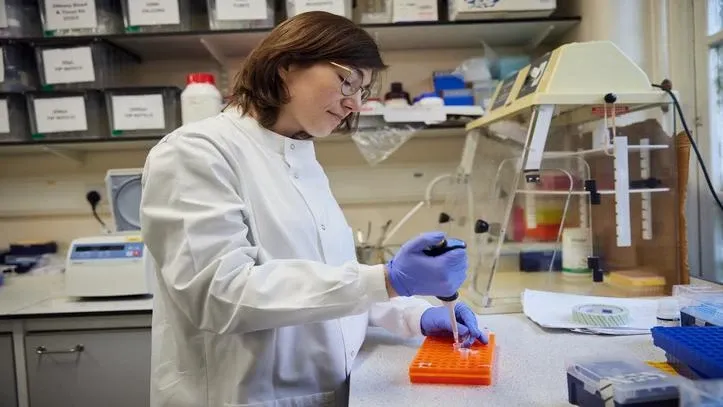
We take a look at some of the exciting diabetes research developments announced in July 2026, and what the findings could mean for people living with or affected by diabetes.
In this month's article:
- Type 2 is rising among young adults
- Could leaving too much room in your shoes do more harm than good?
- Different immune profiles could help personalise type 1 diabetes immunotherapy
Type 2 is rising among young adults
A new study found that diagnoses of type 2 diabetes in young adults are on the rise in England, while rates are falling in older age groups. The findings highlight an urgent need to do more to prevent type 2 diabetes in younger generations.
Using data from the National Diabetes Audit, researchers analysed new type 2 diabetes diagnoses between 2011 and 2024. They found that rates of diagnosis increased in adults under 40, but declined in people aged 60 – 79. The steepest increases were in women in their 20s and 30s.
While people from Black and South Asian backgrounds remain disproportionately affected, increases in early-onset type 2 diabetes were also seen in White populations.
This trend is especially concerning because when type 2 diabetes is diagnosed at a younger age people spend more years living with it and its impact. The condition is often more aggressive, increasing the risk of serious complications and reducing life expectancy.
The study also found that people diagnosed with type 2 diabetes at younger ages tended to have higher body mass indexes (BMIs) than those diagnosed later in life.
BMI at diagnosis has been increasing more rapidly in younger adults than in older adults over the past decade, suggesting that rising levels of obesity may be playing an important role in the increase in early-onset type 2. But it’s important to remember there is no single cause of type 2 diabetes. A person's risk is shaped by a unique combination of biological, behavioural, social and environmental factors.
The findings underline the need for more effective, personalised approaches to preventing type 2 diabetes, so that young people can access support that reflects their individual circumstances and needs.
We’re committed to supporting research that helps us better understand who is most at risk of type 2, why risk differs between individuals and communities, and how prevention support can be tailored. This includes to groups who are currently underserved by existing approaches, like younger people and women who have had gestational diabetes.
We’re also continuing to campaign for action that tackles wider factors that influence health and creates environments that support healthier lives.
Could leaving too much room in your shoes do more harm than good?
New research funded by us suggests that leaving too much space between the longest toe and the end of a shoe could increase pressure on the foot in people living with diabetes.
Wearing well-fitting footwear is an important way to reduce the risk of diabetes-related foot problems. Shoes that are too tight, too loose or rub can increase the risk of damage to the feet.
People living with diabetes are advised to wear well-fitting shoes that are wide and have a deep or rounded toe area. But exactly how much space should be left between the longest toe and the end of the shoe isn't yet clear.
To find out more, Dr Petra Jones asked people living with diabetes to walk in shoes with different toe gaps, ranging from 0.5cm to 2cm. As participants walked, the researchers measured pressure under different parts of the foot.
They found that larger toe gaps were linked to higher pressure under the big toe. In some cases, the pressure reached levels that have previously been linked to an increased risk of diabetes-related foot ulcers.
The researchers also looked at the shoes people normally wore day to day. More than three quarters of participants were wearing shoes that were the wrong length, while almost half were wearing shoes that were the wrong width.
Together, the findings suggest that when it comes to shoe fit, more room isn't always better. While leaving some space at the end of a shoe remains important, having too much space may increase pressure on certain areas of the foot rather than reduce it. The fact that many participants were wearing shoes that didn't fit properly also highlights how difficult it can be to get footwear to fit right.
Research like this could help strengthen footwear advice and support efforts to reduce the risk of diabetes-related foot ulcers, helping more people living with diabetes keep their feet healthy.
This study was published in Diabetic Medicine.
Different immune profiles could help personalise type 1 diabetes immunotherapy
A new study has added to growing evidence suggesting that the immune attack behind type 1 diabetes may not look the same in everyone. Differences in the immune system were linked to how quickly type 1 progressed and how people responded to immunotherapies – treatments designed to slow the immune attack on insulin-producing beta cells.
In June, teplizumab became the first type 1 immunotherapy available on the NHS. And many other therapies have shown real promise in clinical trials, helping people in the early stages or newly diagnosed with type 1 diabetes keep making more of their own insulin for longer.
But not everyone has seen the same benefits from these treatments.
In this new study, US researchers analysed blood samples from 560 people recently diagnosed with type 1 diabetes who had previously taken part in different immunotherapy trials. They looked for immune system patterns to build a picture of how the immune system was behaving in different people.
They found that many participants could be grouped into one of two categories based on their immune response. One group showed signs of a stronger inflammatory immune response and tended to lose insulin-producing beta cells more quickly after diagnosis. The second group showed a different pattern of immune activity and a slower decline in beta cell function.
The researchers then looked at whether these differences were linked to how people responded to immunotherapies. They found that some treatments seemed to work well for one group but were often less effective in the other.
More research is needed to confirm these findings. But if researchers can better understand the different immune processes driving the condition in different people, it may become possible to tailor immunotherapies.
This is part of a growing move towards precision medicine – matching treatments to a person's unique characteristics. In the future, it could help identify who is most likely to benefit from certain immunotherapies or help scientists design more personalised options.