Page saved! You can go back to this later in your Diabetes and Me Close

Meg’s story: I was given no information about my increased risk of type 2 diabetes

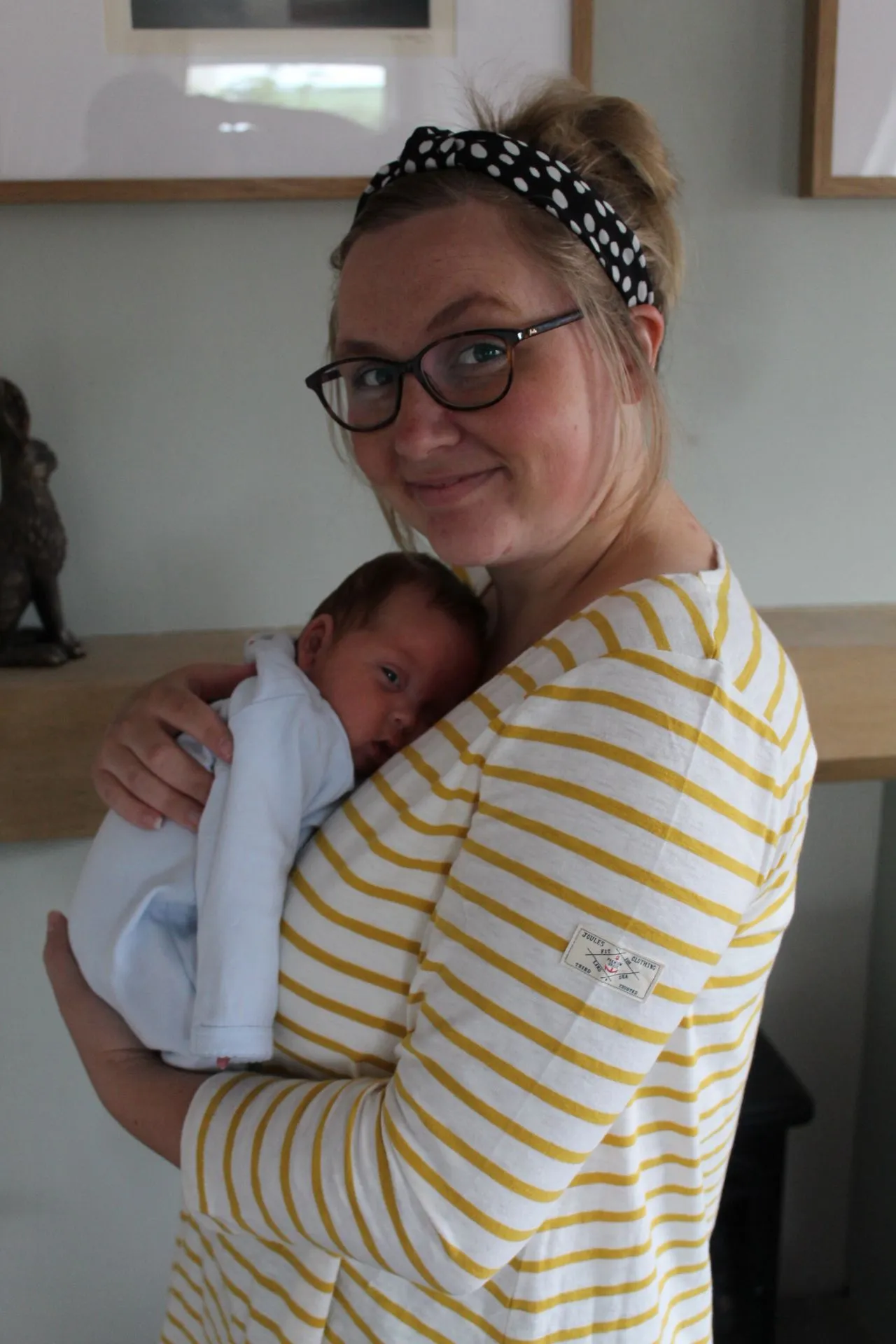
Woman pictured holding her newborn

Meg

"I’m pretty surprised that I never had follow-up HbA1c checks, particularly as I’m considered high risk for type 2 diabetes."

Meg is a primary school teacher who lives in Somerset with her husband and son. Meg tells us about her experiences of being diagnosed with gestational diabetes during her pregnancy in 2020.

Next Review Date
Content last reviewed
10 May 2026
Next review due
10 May 2031

Diagnosis

Testing for gestational diabetes

The journey to my first pregnancy was difficult – and the pregnancy itself was no different. At 24 weeks I was admitted to hospital for bed rest as I’d gone into premature labour. I spent my time being given hormones to hold off the birth, and my main focus was essentially to delay giving birth as much as I could.

It was at that time, around the 27-week mark, that I was given the test for gestational diabetes. As I live with polyendocrine metabolic ovarian syndrome (PMOS), previously called polycystic ovary syndrome (PCOS), I was already taking metformin. This can also be prescribed for gestational diabetes – I was advised to stop taking this before I was tested. I was given a gestational diabetes diagnosis then and there, although my blood sugar level was just over the threshold for diagnosis.

Before my diagnosis, I only knew a little about gestational diabetes as my friend had it in both of her pregnancies.

Emotions

Feeling vulnerable

I felt a lot of shame, having already been told my baby was going to be premature, my nurses made me feel like it was another thing I hadn’t done right. I also felt very vulnerable at the time – that combination of being told your baby is arriving imminently and then also being made to feel as if having gestational diabetes was my fault, was really tough for my mental health.

My healthcare team insisted that I measured my blood sugar levels multiple times a day so they could track my levels. I found this really difficult because I was an inpatient, so I was relying on hospital food and things people could bring me – naturally, these weren’t always the most suitable when trying to manage my levels.

Alongside all the other tests I was undergoing and the range of other professionals I was speaking to, I found having to take these multiple blood sugar readings incredibly overwhelming. I felt like I couldn’t be trusted.

When I was first admitted to hospital, I thought I was going to have a miscarriage, and while I was on bed rest there were a number of complications. I wasn’t in a good place to feel judgement or shame. I could barely retain the information the nurses were giving me on how to manage gestational diabetes, but I was given a monitor to track my blood sugar levels and that was that.  

Journey with diabetes

Follow-up care and support is key

As my little boy was premature, I had gestational diabetes for two weeks of my pregnancy, before he arrived at 29 weeks. This was during lockdown, so I was very much ‘locked-in’ to the hospital alongside him for the next five weeks. My husband couldn’t even come in to see us.

I think during that time of managing gestational diabetes, there are a few things that could really support women better. Firstly, some really clear facts about what this means for their pregnancy, how to manage it well and also an indication of what it means for after pregnancy – I was given no information about my increased risk of developing type 2 diabetes and the steps I could take to try and prevent it. 

I had a phone call with my GP after the birth, but there weren’t any discussions about my gestational diabetes. 

"Six years later, I’ve still not had a postnatal check-up or follow-up. I’m pretty surprised that I never had follow-up HbA1c checks, particularly as I’m considered high risk for type 2 diabetes."

Not only because of the gestational diabetes, but also because I have family members with type 2 and I have polyendocrine metabolic ovarian syndrome (PMOS). 

Removing judgement and shame

From my experience, it’s also really important that the feeling of failure or blame is removed and that women are treated with respect during their pregnancy.

I think within the healthcare setting, it’s vital for professionals to consider beyond the gestational diabetes aspect. Think about the full patient and other factors that might be important to keep in mind – especially for the mum’s wellbeing – such as those undergoing IVF treatment, prematurity, or recurrent miscarriages.

I think that these things can already give mums a lot of shame and guilt, never mind dealing with the ins and outs of gestational diabetes.

"Diabetes UK is such a valuable resource for anyone who may be experiencing a pregnancy with gestational diabetes – there are lots of resources to help you understand the facts and what care to expect during and after your pregnancy."

If there is any point in your pregnancy where you feel unsure or that you’re not happy with how you’re being treated, I feel that it’s so important to raise this for you and your little one. There are so many different factors that increase your risk of developing gestational diabetes, it’s not directly caused by consuming too much sugar, which is what a lot of people assume.

I just hope that by sharing my story, it will help people understand the condition more. I also hope no one else is ever made to feel the shame I experienced. 

"When you’re pregnant, and especially if it’s your first pregnancy, or you’ve had to deal with lots of complications, you need all the support you can get from your healthcare team, both physically and mentally."

______________________________________________________________________________________________________________________________

Reach out for support

If you are affected by the topics highlighted within this story or other stories on our website, you can access support from our helpline team on 0345 122 2399, Mon- Fri, 9am- 6pm, or email helpline@diabetes.org.uk.

You can join our free forum – to connect with others affected by diabetes (minimum age 13). For more information, see our forum FAQs.

For those aged 11-25 living with type 1 diabetes, check out our youth programme Together Type 1 for a supportive community of people who understand what it’s really like juggling the ups and downs of life with diabetes

Back to Top
Brand Icons/Telephone check - FontAwesome icons/tick icons/uk